Creation, catastrophe, and a wall of horn sound
This week’s gigs with the KSO put me in the third horn chair. A thankless position, really. Not principal. Not second. Not the flashy exposed heroics or the harmonic glue everyone politely ignores. Third horn lives in the interior, structural, supportive, occasionally ominous, frequently essential.
It’s an inspiring place to sit.
By Concert 2, Friday night, it occurred to me that I had been missing something important. I had been playing. Adjusting. Locking. Surviving “potential clarinet-related” atmospheric events.
But I hadn’t been analyzing the spit-universe creations beneath my shoes.
That felt irresponsible.
So I decided I need to make sure and chronicle this week’s gig creations.
Not just the music above the stage. But the civilizations quietly forming below it.
I. The Survey (Pre-Concert)
Warm-up is a strange place. Especially on stage and when the house is starting to fill. I wonder what those folks think is going on… Surely not creation. But, I digress.
In warm-up, nothing officially counts, yet everything matters. Notes are tested. Breath is negotiated with physics. Confidence is adjusted in small increments.
Looking down between my feet before the downbeat, I saw it again.
Universes forming.
Two dominant clusters, already aware of each other. Tension in the spacing. Gravitational pull without contact. This is Tchaikovsky energy before Tchaikovsky ever began.
Ah – I didn’t tell you what was on the program. Apologies… Here it is:
- Romeo & Juliet Overture-Fantasy – Tchaikovsky
- Rhapsody on a Theme of Paganini – Rachmaninoff
- Romeo & Juliet Selections – Prokofiev
Continuing: These were rival houses preparing for collision.
The Creator sat still. Surveying.
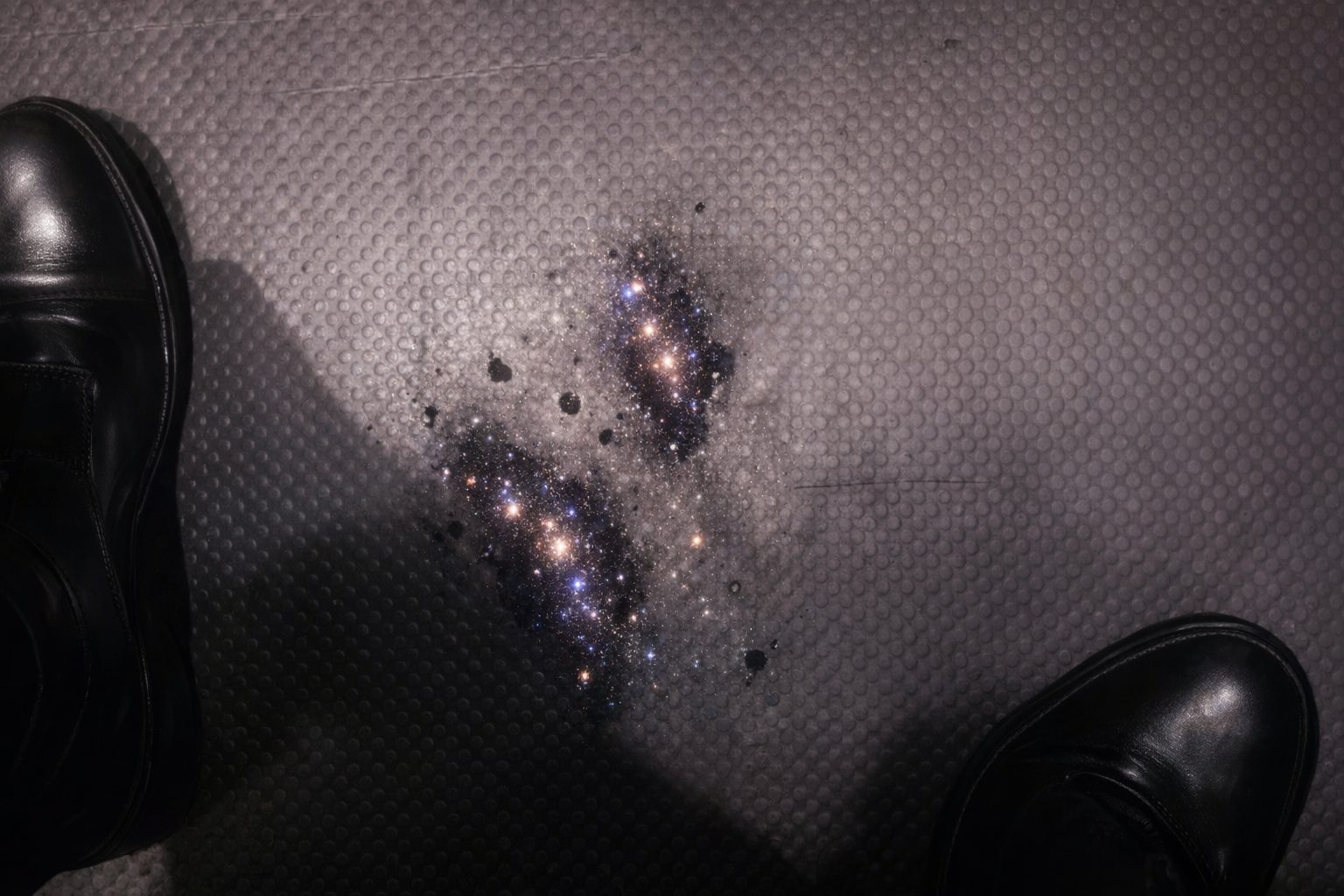
Before fate was declared. Two houses, one floor.
They were balanced. Destined.
The lights dimmed.
II. Fate Declared – Tchaikovsky
The Romeo and Juliet Overture does not unfold politely. It declares.
And the universes responded.
Spiral arms stretched toward each other. Twin galaxies pulled into dangerous orbit. Civilizations invented poetry before agriculture. Love and destruction developed simultaneously. During rests, I looked down.
The collision had begun.
These were emotional universes. They burned bright. They loved hard. They did not last long.
Tchaikovsky does not build calm societies.
He builds inevitability.
III. Variation and Catastrophe – Rhapsody on a Theme of Paganini
Then came Paganini, through Rachmaninoff.
Variation after variation reshaped reality. Some universes became clever and technological, obsessed with theme and inversion. Others softened under Variation 18, one luminous droplet glowing brighter than the rest as beauty reintroduced mercy into the cosmos.
And then…
The Event.
Someone, possibly a clarinet player, though history may never confirm, released something unspeakable during the Rhapsody. It did not arrive gently.
It swept through the horn section like a blanket of death.
Atmospheric integrity collapsed. Entire star systems dimmed. Civilizations faltered under what can only be described as Olfactory Biological Warfare.
I felt it.
My universes felt it.
Some adapted. Others perished instantly. A few sealed themselves in airtight domes and wrote angry symphonies about it.
Intermission arrived.
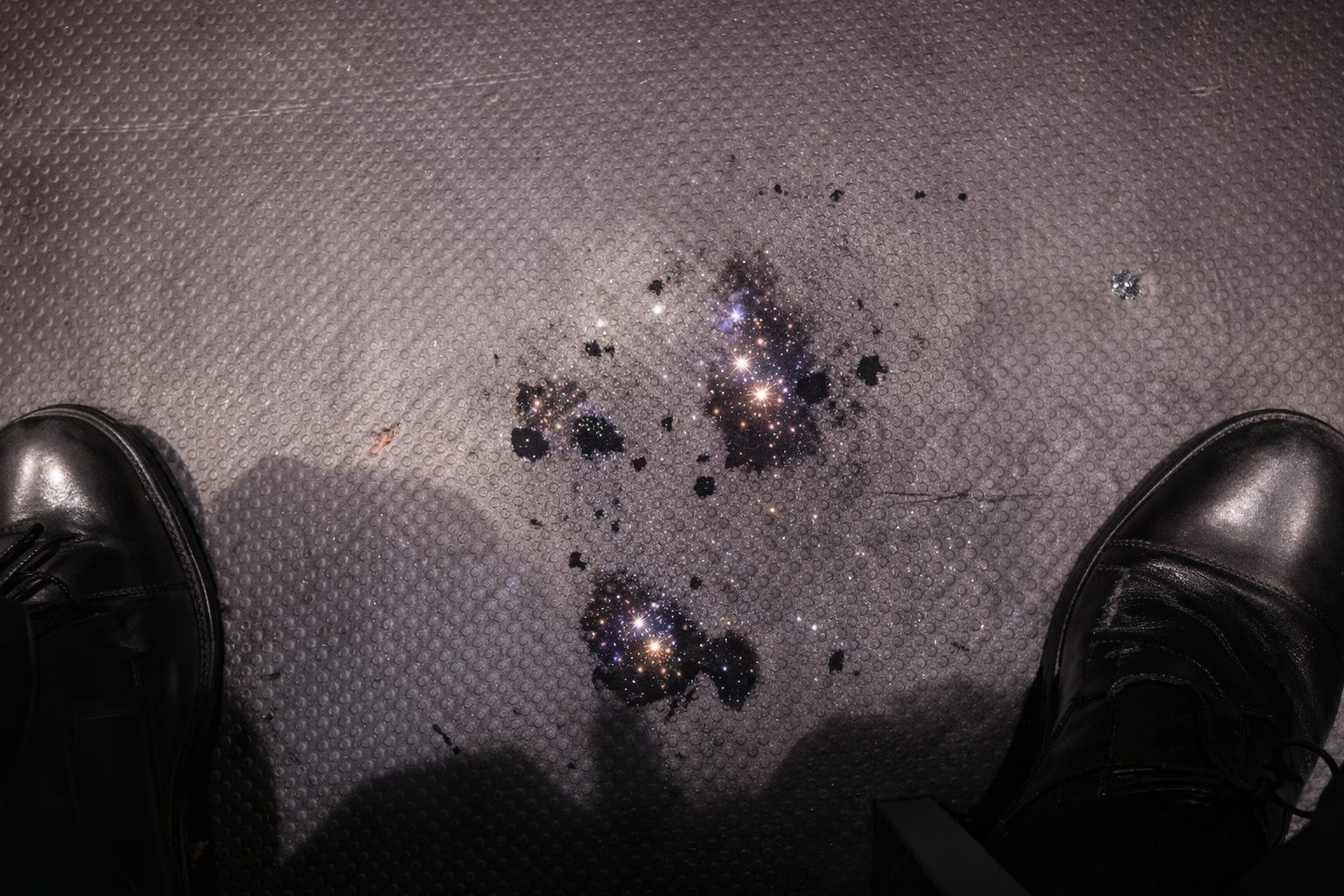
Post-variation. Post-event. Survivability reduced, but not eliminated.
The clusters were no longer symmetrical. The air itself had altered their evolution.
But they survived.
IV. Prokofiev – Architecture and Aftermath
The second half did not rebuild emotionally. Prokofiev rebuilds structurally.
Steel. Shadow. Angles. Precision. And at the end, the death of Juliette.
The principal horn and I adjusted.
And locked.
No theatrics. No dramatic nod across the battlefield.
Just micro-calibration. Breath aligned. Pitch center agreed upon in real time.
We locked.
The final chord was not loud for the sake of loud.
It was inevitable.
Each horn player stood in their own quadrant of the stage, each with their own small regions of created universes beneath them. Each with their own histories. Their own technologies. Their own lives.
Some young.
Some impossibly old.
All complete.
Throughout this collection, glorious walls of French horn sound were abundant.
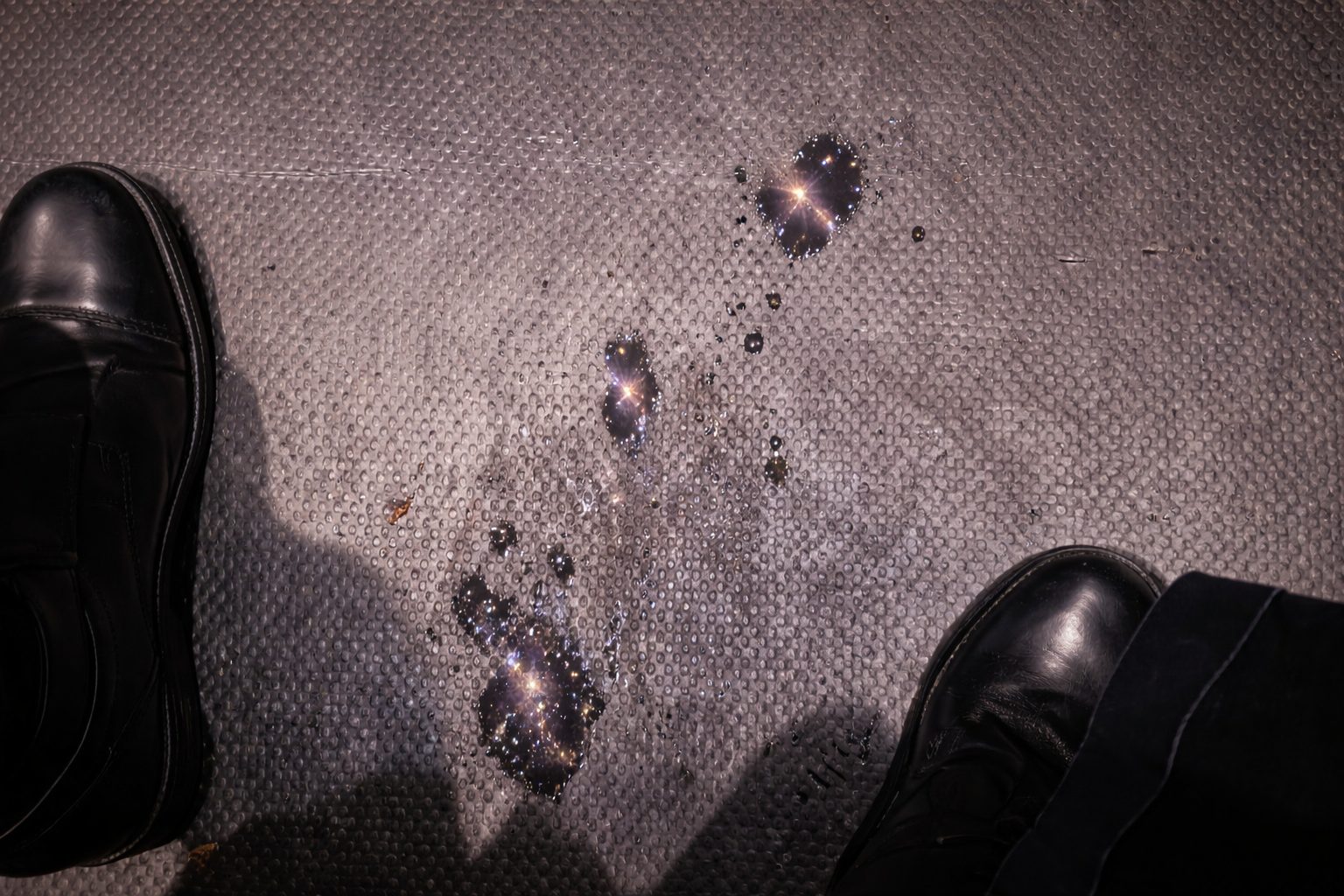
After Prokofiev. Denser. Sharper. Resolved.
But, in the end, what remained was not chaotic.
It was finished.
V. The Space
The chord released.
And there was space.
Not applause rushing to fill insecurity. Not movement. Not coughs.
Space.
The hall held its breath because the sound hadn’t fully left yet.
That’s when you know.
The universes beneath our shoes stopped spinning at the same time. Not because they died, because they resolved.
The audience felt it without knowing why.
Space is respect.
Space is agreement.
Space is gravity settling.
The floor will dry. The lights will come up. People will leave thinking the concert is over. But the next time you attend the symphony, know this:
Creation is happening. In multiple ways.
Above the stage.
Between the players.
And quietly, below it.
Even in the face of catastrophic “olfactory” events.
Until the next gig.
© 2026, Robert Owen. All rights reserved.